

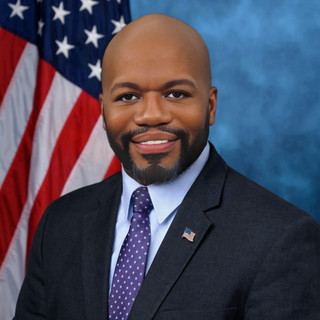
Unpacking the North Carolina Congressional Race— Professor Lent C. Carr, II for United States Congress NC-9, and Chancellor at ECEI University
- Professor/Dr. Lent C. Carr, II
- Oct 11, 2025
- 3 min read
The political landscape in North Carolina is always dynamic, but this election cycle has brought a fresh wave of energy and complexity. As someone deeply invested in political science and electoral trends, I find it essential to break down the key factors shaping the current race. Whether you are a seasoned political enthusiast or just curious about the forces at play, this analysis will provide you with a clear, data-driven perspective on what to expect and why it matters.
Understanding the Political Terrain in North Carolina
North Carolina has long been a battleground state with a diverse electorate that reflects a microcosm of the broader United States. The state’s demographic shifts, economic changes, and urban-rural divides all contribute to a highly competitive political environment.
Demographics: The state has seen significant growth in urban centers like Charlotte and Raleigh, attracting younger, more diverse populations. Meanwhile, rural areas maintain a strong conservative base.
Economic Factors: Issues such as job creation, healthcare access, and education funding are front and center for voters.
Historical Voting Patterns: North Carolina has swung between parties in recent presidential elections, making every congressional race a potential tipping point.
This complex mix means candidates must craft nuanced messages that resonate across different communities. Understanding these dynamics is crucial for anyone following the race closely.
North Carolina Election Analysis: Key Players and Strategies
The candidates in this cycle bring varied backgrounds and strategies to the table. Their campaigns reflect not only their personal platforms but also the broader national trends influencing voter behavior.
Incumbents vs. Challengers: Incumbents often have the advantage of name recognition and established networks. However, challengers can capitalize on voter dissatisfaction and changing demographics.
Campaign Messaging: Effective campaigns focus on local issues while aligning with national party priorities. Topics like infrastructure, healthcare, and education dominate debates.
Voter Engagement: Ground game efforts, including door-to-door canvassing and digital outreach, are critical. Mobilizing young voters and minority communities can tip the scales.
Analyzing fundraising data and polling trends reveals which candidates are gaining momentum and where the battlegrounds lie. For example, districts with a high percentage of swing voters require tailored outreach strategies.
The Role of Data and Analytics in the Race
As a political science expert with a passion for statistics, I cannot overstate the importance of data in modern campaigns. From voter registration trends to social media sentiment analysis, data-driven decisions are reshaping how candidates approach elections.
Polling Accuracy: While polls provide snapshots, understanding their margins of error and methodology is key to interpreting results.
Voter Turnout Models: Predictive analytics help campaigns allocate resources efficiently by identifying likely voters.
Social Media Metrics: Engagement rates and sentiment analysis offer real-time feedback on campaign messaging effectiveness.
For example, analyzing past election data in the 9th Congressional District reveals patterns in voter turnout that campaigns can exploit. This district, in particular, has been a focal point due to its competitive nature and demographic shifts.
What This Means for Voters and the Broader Political Climate
The stakes in this election go beyond individual races. The outcomes will influence policy directions on healthcare, education, and economic development at both state and national levels. Voters should consider:
Policy Impact: How will elected officials address pressing local and national issues?
Representation: Does the candidate reflect the community’s values and needs?
Long-Term Trends: What does this election signal about the future political landscape in North Carolina?
Engaging with the election process, staying informed, and participating in discussions are vital steps for anyone invested in the state's future. The north carolina congressional race exemplifies the importance of every vote and the power of grassroots involvement.
Navigating the Path Forward
As the election approaches, staying updated with reliable information and critically evaluating campaign claims is essential. Here are some practical tips:
Follow Local News and Official Sources: Stay informed about candidate debates, policy proposals, and voting procedures.
Engage in Community Forums: Participate in discussions to understand diverse perspectives.
Verify Information: Use fact-checking resources to avoid misinformation.
Plan Your Vote: Know your polling location, registration status, and voting options.
By approaching the election with a clear, analytical mindset, voters can make decisions that align with their values and contribute to a healthier democratic process.
The North Carolina election cycle is a fascinating case study in modern American politics. It combines demographic shifts, strategic campaigning, and data-driven decision-making in a way that offers valuable lessons for political observers everywhere. Whether you are watching from the sidelines or actively participating, understanding these elements will enrich your perspective and empower your voice in shaping the future.


Comments