

Understanding Lent's Peace Agenda Strategies for a Better Community
- Professor/Dr. Lent C. Carr, II
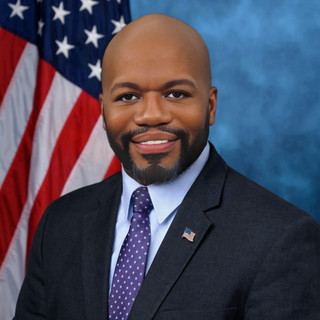
- Jan 13
- 4 min read
Lent is often seen as a season of reflection, sacrifice, and spiritual renewal. But beyond its religious significance, Lent offers a unique framework for fostering peace and unity within our communities. As someone deeply invested in political science and community development, I find the peace agenda strategies embedded in Lent to be both profound and practical. They provide a roadmap for building stronger, more compassionate societies—especially relevant for those of us engaged in the political and social fabric of regions like North Carolina, Maryland, Washington DC, South Carolina, and the North Carolina 9th Congressional District.
In this post, I will unpack how Lent’s peace agenda can inspire actionable change, explore the stages of Lent, and offer concrete strategies for applying these principles to create a better community.
The Core Principles Behind Lent’s Peace Agenda Strategies
At its heart, Lent is about transformation—both personal and communal. The season encourages introspection, humility, and reconciliation, which are essential ingredients for peace. The peace agenda strategies inspired by Lent emphasize:
Self-reflection and accountability: Recognizing personal biases and mistakes.
Empathy and compassion: Understanding others’ perspectives and struggles.
Reconciliation and forgiveness: Healing divisions and conflicts.
Service and solidarity: Acting for the common good.
These principles are not just spiritual ideals; they are practical tools for political and social engagement. For example, in communities grappling with polarization or social unrest, adopting a Lent-inspired approach can help bridge divides by encouraging dialogue rooted in respect and understanding.
Practical Example: Community Dialogue Initiatives
In North Carolina, several local organizations have launched community dialogue programs during Lent, focusing on racial reconciliation and economic justice. These initiatives create safe spaces where residents can share their stories, listen actively, and work toward common goals. The results? Increased trust, reduced tensions, and collaborative problem-solving.

Implementing Peace Agenda Strategies in Political and Social Contexts
Applying Lent’s peace agenda strategies in political contexts requires intentionality and courage. Here are some actionable recommendations:
Promote Active Listening: Politicians and community leaders should prioritize listening over speaking. This builds trust and uncovers underlying issues.
Encourage Inclusive Policy-Making: Policies should reflect the needs of diverse groups, especially marginalized communities.
Foster Collaborative Leadership: Cross-party and cross-community partnerships can model unity.
Support Restorative Justice Programs: These programs focus on healing rather than punishment, aligning with Lent’s emphasis on forgiveness.
Engage in Public Education: Raising awareness about the values of empathy and reconciliation can shift public discourse.
For instance, in North Carolina, some city councils have integrated restorative justice circles into their community policing strategies, reducing conflicts and fostering mutual respect between law enforcement and residents.
What are the 4 stages of Lent?
Understanding the four stages of Lent helps clarify how its peace agenda unfolds over time:
Ash Wednesday - The Call to Repentance: This stage marks the beginning of Lent, inviting individuals to acknowledge their faults and commit to change. It sets the tone for humility and accountability.
The Period of Fasting and Prayer: Traditionally, this involves giving up certain luxuries to focus on spiritual growth. Symbolically, it represents self-discipline and sacrifice for the greater good.
Almsgiving and Acts of Charity: Lent encourages generosity and service to others, reinforcing community bonds and social responsibility.
Holy Week and Easter - Renewal and Reconciliation: The final stage celebrates resurrection and new beginnings, emphasizing forgiveness and hope.
Each stage offers a unique opportunity to deepen peace-building efforts within communities. For example, the fasting period can be seen as a metaphor for reducing divisive rhetoric, while almsgiving translates into tangible acts of kindness and support.
How the Lent Peace Agenda Can Transform Local Communities
The lent peace agenda is more than a spiritual exercise; it’s a blueprint for social transformation. Here’s how it can impact local communities:
Reducing Political Polarization: By encouraging empathy and dialogue, Lent’s peace agenda helps soften entrenched political divides.
Strengthening Social Cohesion: Acts of charity and service build trust and mutual support among neighbors.
Enhancing Civic Engagement: Reflection and accountability inspire citizens to participate more thoughtfully in democratic processes.
Promoting Mental and Emotional Well-being: The focus on forgiveness and reconciliation reduces stress and fosters healthier relationships.
Case Study: South Carolina’s Faith-Based Peacebuilding
In South Carolina, faith-based organizations have partnered with local governments to implement Lent-inspired peacebuilding workshops. These programs combine prayer, reflection, and community service, resulting in measurable decreases in neighborhood conflicts and increased volunteerism.

Taking the First Steps Toward a Peaceful Community
If you’re inspired to bring Lent’s peace agenda strategies into your community, here are some practical first steps:
Organize Reflection Groups: Create small groups that meet regularly during Lent to discuss peace and reconciliation.
Host Community Service Days: Encourage collective action on local issues like homelessness, food insecurity, or environmental cleanup.
Promote Educational Campaigns: Use social media and local events to share stories of forgiveness and unity.
Engage Local Leaders: Invite politicians, faith leaders, and activists to collaborate on peace initiatives.
Measure Impact: Use surveys and feedback to assess how these efforts improve community relations.
By committing to these steps, communities can harness the transformative power of Lent to build a more peaceful and just society.
Embracing Lent’s Peace Agenda for Lasting Change
The journey toward peace is ongoing and requires dedication. Lent’s peace agenda strategies offer a timeless, effective framework for fostering understanding, healing, and cooperation. Whether you are a community organizer, political supporter, or concerned citizen, embracing these principles can help create a better future for all.
Let us remember that peace is not merely the absence of conflict but the presence of justice, compassion, and solidarity. By integrating Lent’s peace agenda into our daily lives and public policies, we can contribute to a stronger, more united community.
Thank you for joining me in exploring how Lent’s peace agenda can inspire meaningful change. May this season of reflection lead us all toward greater harmony and shared purpose.
LEARN MORE: www.lentcarrforuscongress.com


Well said!!! To accomplish a better Community. In helping one another to succeed in life.