
North Carolina Immigration Policies: What You Need to Know
- Professor/Dr. Lent C. Carr, II
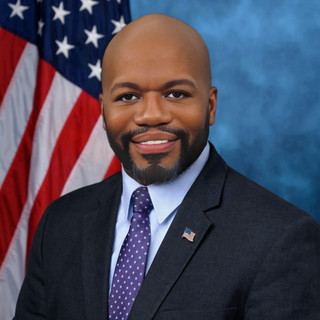
- Feb 23
- 4 min read
Immigration has always been a complex and often contentious issue in the United States. North Carolina, a state with a rapidly growing and diverse population, has recently seen significant changes in its immigration policies. As someone deeply invested in understanding the political and social fabric of our state, I want to walk you through the latest immigration reforms in North Carolina. This post will provide you with clear, practical insights into what these reforms mean for residents, businesses, and communities alike.
Understanding North Carolina Immigration Policies
North Carolina's immigration policies have evolved considerably over the past decade. The state has transitioned from a relatively passive stance to actively shaping laws that impact immigrants' lives. These policies cover a broad spectrum, including employment verification, access to public services, law enforcement cooperation with federal immigration authorities, and pathways to legal status.
One of the key drivers behind these reforms is the recognition of immigrants' vital role in North Carolina’s economy. From agriculture to technology, immigrants contribute significantly to the workforce. However, balancing economic benefits with concerns about security and legal compliance has led to nuanced legislation.
For example, the state has implemented measures to improve the accuracy of employment verification systems, such as E-Verify, which employers use to confirm workers' eligibility. Additionally, there are provisions aimed at protecting immigrant workers from exploitation while ensuring that businesses comply with federal immigration laws.

Key Changes in Recent Immigration Reform North Carolina
The most recent wave of immigration reform in North Carolina includes several notable changes:
Enhanced Employment Verification: Employers are now required to use E-Verify more rigorously, reducing the chances of undocumented workers being hired unknowingly.
Driver’s License Access: Some reforms have expanded access to driver’s licenses for certain immigrant groups, improving mobility and safety on the roads.
Law Enforcement Cooperation: The state has clarified the extent to which local law enforcement can cooperate with federal immigration authorities, aiming to balance public safety with community trust.
Support for Immigrant Integration: Programs to assist immigrants with language skills, legal aid, and community engagement have received increased funding.
These reforms reflect a pragmatic approach, acknowledging the realities of immigration while addressing concerns about legality and security. They also demonstrate North Carolina’s commitment to fostering an inclusive environment where immigrants can contribute fully to society.
How Many Undocumented Immigrants Are in North Carolina?
Estimating the number of undocumented immigrants in North Carolina is challenging due to the nature of undocumented status. However, research from organizations like the Pew Research Center and the Migration Policy Institute provides some insight.
As of recent estimates, North Carolina is home to approximately 300,000 to 350,000 undocumented immigrants. This figure represents about 3% of the state’s total population. The majority of these individuals are employed in sectors such as agriculture, construction, hospitality, and manufacturing.
Understanding these numbers is crucial for policymakers. It helps in designing targeted reforms that address the needs of both immigrants and the broader community. For instance, knowing where undocumented populations are concentrated can guide resource allocation for education, healthcare, and legal services.

Practical Implications of Immigration Reform for North Carolina Residents
The recent immigration reforms have several practical implications for residents and businesses:
For Employers: Businesses must stay updated on employment verification requirements to avoid penalties. Using E-Verify correctly is now more important than ever.
For Immigrants: Expanded access to driver’s licenses and community support programs can improve daily life and integration.
For Law Enforcement: Clear guidelines on cooperation with federal authorities help maintain community trust while ensuring public safety.
For Local Governments: There is a need to balance enforcement with humanitarian concerns, especially in areas with high immigrant populations.
If you are an employer or community leader, I recommend consulting with legal experts to ensure compliance with the new laws. For immigrants, connecting with local advocacy groups can provide valuable support and information.
What’s Next for North Carolina’s Immigration Landscape?
Looking ahead, North Carolina’s immigration policies will likely continue to evolve. Several factors will influence this trajectory:
Federal Policy Changes: Shifts in federal immigration policy can prompt state-level adjustments.
Economic Needs: As industries grow or change, the demand for immigrant labor will shape policy priorities.
Community Advocacy: Immigrant communities and allies will push for reforms that promote fairness and inclusion.
Political Climate: The balance of power in state government will affect the pace and nature of reforms.
Staying informed and engaged is essential. Whether you are a policymaker, business owner, or concerned citizen, understanding these dynamics will help you navigate the complexities of immigration reform in North Carolina.
For those interested in a deeper dive, I encourage you to explore resources on immigration reform north carolina to stay updated on the latest developments.
Immigration reform in North Carolina is a multifaceted issue that touches on economics, law, and human rights. By understanding the current policies and their implications, we can contribute to a more informed and compassionate dialogue about the future of our state.


Comments