
Restoration of Voting Rights for North Carolina Ex-Felons: 4th Circuit Court of Appeals Ruling
- Professor/Dr. Lent C. Carr, II
- Nov 24, 2025
- 5 min read
Updated: Dec 2, 2025
The restoration of voting rights for ex-felons in North Carolina marks a significant step towards inclusivity in our democratic process. Recent rulings by the 4th Circuit Court of Appeals have clarified that former felons who have completed their sentences and are no longer on probation can once again participate in the voting process. This change not only empowers individuals but also encourages greater civic engagement in our communities, particularly within the 9th District of North Carolina, where many ex-felons reside.

Understanding the 4th Circuit Court of Appeals Ruling
The recent ruling by the 4th Circuit Court of Appeals has established a clear precedent: ex-felons who have served their time, including incarceration and probation, are entitled to have their voting rights restored. This means that if you have completed your sentence, including parole and probation, you can register to vote.

This decision is not just about restoring a right; it is about recognizing the inherent dignity and humanity of individuals who have paid their debts to society. The court's ruling underscores a growing acknowledgment within our legal system that participation in democracy is a fundamental right, one that must be extended to all citizens, regardless of past mistakes.
Verifying Your Voting Eligibility
Once you understand your rights, the next step is to verify your eligibility and get registered. It is crucial to check your status to ensure that your voting rights have indeed been restored.
How to Verify Your Eligibility
Visit the North Carolina State Board of Elections Website: The State Board of Elections provides resources for verifying your voter registration status.
Contact Your Local Board of Elections: If you are unsure about your status, reach out to your local Board of Elections directly.
Gather Necessary Documentation: You may need to provide documentation proving that you have completed your sentence, including any relevant court records or probation completion certificates.

By taking these steps, you ensure that you are well-informed and prepared to make your voice heard.
Registering to Vote
Registration is the first tangible step in reentering the democratic process. North Carolina allows eligible individuals to register to vote either online (if you have a state-issued ID), by mail, or in person.
Steps to Register
Complete a Voter Registration Application: You can find applications on the North Carolina State Board of Elections website or at any local election office.
Submit Your Application: Ensure your application is submitted by the registration deadline, typically 25 days before an election.
Check Your Registration Status Again: After you submit your application, verify your registration status to confirm you are on the voter rolls.

Taking the time to register is vital. It not only ensures your rights are recognized but also reinforces the community's voice in local and state issues.
Making Informed Voting Decisions
With the power of voting restored, it is essential to approach elections with thoughtfulness. Every election presents a crucial opportunity to weigh the implications of candidates' platforms on your community.
Historical Context Matters
It is critical to consider which politicians and parties have historically opposed the rights of ex-felons. Look at their stances on policies affecting criminal justice reform and voting rights.
As you think about upcoming elections, remember that your vote carries weight. Research candidates' positions and actions. Here are a few strategies:
Use Non-Partisan Resources: Websites like Ballotpedia offer unbiased information about candidates and their positions.
Attend Town Halls or Debates: Engaging with candidates in person allows you to hear their views and ask questions that matter to you.
Discuss with Your Community: Talk to other ex-felons and learn about their experiences and insights regarding candidates.
By voting wisely, you are not only advocating for yourself but also for the larger ex-felon community that seeks recognition and respect.
The Importance of Civic Engagement
Voting is just one aspect of civic engagement. Civic participation extends beyond casting a ballot. Engaging in your community and advocating for change can take many forms, from volunteering to community organizing.
Forms of Civic Engagement
Volunteer for Causes You Believe In: Join organizations focused on criminal justice reform or civic education to make an impact.
Stay Informed on Local Issues: Subscribe to local news outlets or follow community leaders to understand pressing issues in your area.
Participate in Local Government: Attend city council meetings or school board meetings to voice your concerns and needs.
Your active involvement can create positive changes that extend beyond elections, fostering a more inclusive and engaged society.
Moving Forward Together
The restoration of voting rights for ex-felons in North Carolina serves as a powerful reminder that everyone deserves a second chance. As individuals who have tasted the consequences of past decisions, it is essential to recognize the opportunity to reclaim your voice in democracy.
Civic participation is not merely about exercising the right to vote but about embracing the power of the ballot to effect real change in our communities. Together, we can create a more equitable society where every voice matters.
As we move forward, let us remember that our collective action can shape the future of North Carolina. Your vote is your power—use it wisely, and help pave the way for others who wish to re-enter the democratic process.
The Role of Education in Civic Engagement
Education plays a crucial role in empowering individuals to participate in democracy. Understanding the political landscape and the issues at stake is essential for making informed decisions.
Importance of Political Education
Understanding Your Rights: Knowledge of your voting rights is fundamental. Educating yourself on the laws and regulations surrounding voting can help you navigate the process more effectively.
Awareness of Current Events: Staying updated on local and national issues allows you to make informed choices at the ballot box. Follow news outlets, podcasts, and community discussions to stay engaged.
Engaging in Dialogue: Discussing political issues with friends and family can broaden your perspective and encourage critical thinking.
By fostering a culture of education and dialogue, we can create a more informed electorate that actively participates in shaping our democracy.
Building a Supportive Community
Creating a supportive community for ex-felons is vital in the journey towards reintegration. Building connections with others who share similar experiences can provide encouragement and resources.
Ways to Build Community Support
Join Support Groups: Many organizations offer support groups for ex-felons. These groups can provide a safe space to share experiences and find encouragement.
Mentorship Programs: Connecting with mentors who have successfully navigated the reintegration process can provide valuable insights and guidance.
Community Events: Participate in local events that promote civic engagement and community building. These gatherings can help foster connections and create a sense of belonging.
Together, we can create a network of support that empowers ex-felons to reclaim their voices and actively participate in democracy.
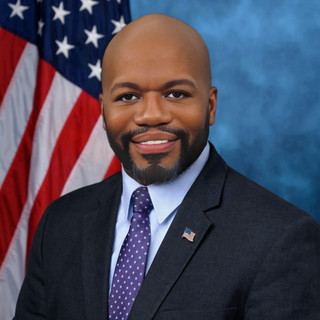
STAY TUNED!!—Professor Lent Carr for United States Congress will be breaking down what this all means for over 50 plus thousand ex-felons—a new VOTING BLOCK, and just how, executed correctly can tilt this Election in favor of preserving our Democracy, saving our sacred Constitution, and building onto a Republic where every voice matters.


Comments