
LENT CARR'S NATIONAL EDUCATION "RECOMMIT ACT"
- Professor/Dr. Lent C. Carr, II
- Jul 8, 2025
- 6 min read
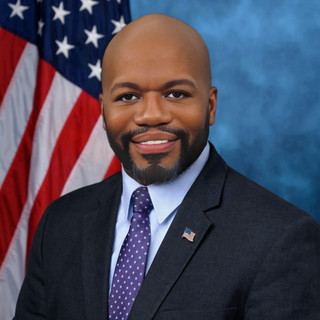
Professor Lent C. Carr, II, PhD — Candidate for United States Congress, North Carolina's 9th Congressional District
Chancellor, ECEI University
National President, Congressional Voting Caucus for Human Rights
Professor of Education, History, Political Science & Public Policy,
Labor Union Leader, Social Justice Advocate, and Community Organizer

Executive Summary
North Carolina’s 9th Congressional District stands at a crossroads. As AI, automation, and global competition redefine the skills our children need, our outdated education system—built on memorization and standardized testing—threatens to leave a generation unprepared. This white paper, authored by Professor Lent C. Carr, II, offers a transformative national blueprint, anchored in mastery learning, inclusion, and college & career readiness, that will empower every student in our district—especially those with IEPs—to thrive.
Key components include:
Mastery Learning Model: Move beyond rote memorization to a system where students advance only upon demonstrated proficiency, drawing on global best practices from Finland and Singapore.
Personalized Pathways: Tailored roadmaps from Head Start through Grade 12, incorporating STEM, trade credentials, and AI-infused adaptive instruction.
IEP Integration: Early screening, co-teaching Navigator Pods, and peer-mentorship ensure seamless inclusion and equitable outcomes.
College & Career Overhaul: Abolish SAT/ACT gates, adopt holistic readiness portfolios, and implement income-sensitive tuition capped to family ability to pay.
Teacher & Staff Investment: Federally mandated salary scales starting at $60K for new teachers, $25/hr for bus drivers, and dedicated equity funds to attract and retain top talent.
This proposal is crafted to resonate with the values of our district: equity, economic opportunity, and the promise of upward mobility. By legislating Carr’s Education Reform Act, we secure North Carolina’s future as a leader in the AI era.
I. Candidate Attributes & Leadership
Professor Lent C. Carr, II brings to this campaign:
Deep Personal Experience: Raised in Greenville’s underserved neighborhoods; survived targeted racial violence, fueling his lifelong fight for justice.
Academic Visionary: As Chancellor of ECEI University, expanded campuses across North Carolina and internationally, pioneering curricula in technology, global citizenship, and poverty eradication.
Policy Expertise: National President of the Congressional Voting Caucus for Human Rights; authored bipartisan briefs on criminal justice reform, education equity, and labor rights.
Community Builder: Founder & President of the NC Taxi Workers Alliance, organizing essential workers for better wages and benefits—experience he will apply to unite educators, support staff, and families.
Innovator in Education: Designed ECEI’s IEP-inclusive digital platform, earning federal recognition for volunteering support of Organizations like Sister Circle of America, closing achievement gaps among special-needs learners. His altruistic volunteer work was recognized by Former President Biden, who bestowed upon him the Points of Light, AmeriCorps, and the President's Volunteer Service "Lifetime Achievement Award" in 2025.

Professor Lent C. Carr, II, Ph.D Displays President's "Lifetime Achievement Awards, and Personal Letter from President Joe Biden, Jr.
His unique blend of lived hardship, scholarly achievement, and organizing prowess makes Dr. Carr the candidate best positioned to overhaul an outdated system and deliver a 21st-century education for North Carolina’s children.
II. Why Education Reform Can't Wait
Economic Imperative: By 2030, 75% of jobs will require post-secondary training or specialized credentials. NC‑9 must prepare graduates to fill high-demand roles in biotech, AI development, and advanced manufacturing.
Equity Crisis: Graduation rates for students on IEPs in our district lag by 20%. Without inclusion reforms, we perpetuate cycles of poverty and disenfranchisement.
Teacher Shortage: North Carolina is projected to face a deficit of 5,000 teachers by 2026. Low pay and burnout drive talented educators out of the profession.
Global Competition: Benchmark assessments place U.S. students below OECD averages in math & science. Meanwhile, countries like Singapore and Finland surge ahead.
Professor Carr’s plan addresses these challenges head-on, combining evidence-based practice with the moral imperative of equal opportunity. Now let's explore the Historical, and Proposed Federal Model visual component of this National Education Plan:
**I. Historical Context: From Pre-Colonial Learning to Today**
* **Pre-Colonization & Indigenous Pedagogies:**
* Learning was deeply rooted in apprenticeship, oral tradition, and community-based knowledge transmission.
* Emphasis on real-world problem solving, critical thinking, observation, and intergenerational mentorship.
* **Colonial & Early Republic Era:**
* Dame schools and one-room schoolhouses prioritized basic literacy and rote catechism.
* Curriculum was uniform, teacher-centered, and standardized almost by default—laying the groundwork for memorization over mastery.
* **Industrial Age to Mid-20th Century:**
* Rise of the factory model in education: bells, bells, and bells; lockstep grade levels; conveyor-belt mentality.
* Emphasis on “three R’s” to produce workers rather than critical thinkers.
* **Post-Sputnik & No Child Left Behind:**
* Federal interventions spurred by global competition yet doubled down on standardized tests.
* Unintended consequence: “teaching to the test,” widening achievement gaps, neglect of special-needs learners.
* **Why Now?**
* The AI revolution demands agility, creativity, and lifelong learning far beyond memorization. Albeit, Regulations must be instituted within the ambit of our federal and state Governments.
* Crises in teacher shortages, stagnating graduation rates, and inequities for IEP students have reached a breaking point.
---
**II. Overarching Vision: The Carr National Retention & Mastery Model**
* **Mastery Learning over Memorization:**
* Students advance only when they demonstrate understanding; built-in formative assessments guide instruction.
* **Personalized Pathways:**
* From Head Start through Grade 12, each learner follows a tailored roadmap encompassing academic, social-emotional, and career exploration goals.

* **Seamless Inclusion of IEP Students:**
* Early identification and co-teaching models allow IEP-eligible learners to transition into standard classrooms with scaffolded supports.
* **College & Career Readiness by Design:**
* Partnerships with colleges, industry, and trade schools begin as early as Grade 9, ensuring clear post-secondary trajectories.
---
**III. Early Childhood & K–12 Structural Reforms**
1. **Universal Head Start Upgrades**
* Curriculum: Play-based discovery infused with early STEM modules.
* Family-engagement coaches on every campus.
2. **Retention & Mastery Cycles (Grades K–5)**
* Flexible 4- to 6-week modules; mastery checks trigger reteaching labs before promotion.
* Use of AI-driven adaptive platforms (inspired by Singapore’s individualized digital tutors).
3. **Integrated Inclusion (Grades 6–8)**
* Co-teaching teams with general and special educators in every core subject.
* Social-emotional “learning labs” to build executive function and self-advocacy.
4. **High School Redesign (Grades 9–12)**
* **Dual Pathways:**
* **Academic-STEM Track:** Project-based capstones in partnerships with institutions like Germany’s Fraunhofer Institutes.
* **Trade & Tech Track:** Earn stackable credentials (e.g., welding, coding, AI-ethics badges) via community college co-enrollments.
* **Competency Portfolios:** Students graduate with demonstrable artifacts, not just transcripts.
---
**IV. IEP Integration & Equity**
* **Early Screening & Navigation Teams:** Special educators, school psychologists, and counselors form “Navigator Pods” to co-design IEPs that align with mastery timelines.
* **Universal Design for Learning (UDL):** Curriculum and assessments built with multiple means of representation, expression, and engagement.
* **Peer-Mentor Programs:** Trained student-mentors support IEP classmates, fostering social capital and reducing stigma.
---
**V. College-Ready Reform: Tuition & Assessment Overhaul**

1. **Abolishing Discriminatory SAT/ACT Gates**
* Replace with **Holistic Readiness Portfolios:** GPA + mastery portfolio + structured interviews + contextual performance tasks (modeled on Finland’s matriculation exam diversity).
2. **Tiered, Income-Sensitive Tuition Model**
* **Federal Bloc Grants** to institutions based on socio-economic diversity indices, not only enrollments.
* Graduated tuition rates capped at a percentage of family income, with zero-tuition for Pell recipients.
3. **National Loan Forgiveness for Public-Service Educators & Tech-Trade Graduates**
* Service-in-high-need rural or urban schools: full forgiveness.
* Graduates of accredited trade pathways serving community workforce needs: proportional forgiveness.
---
**VI. International Best Practices**
* **Finland:**
* Teacher-driven curriculum design, minimal standardized testing, high social trust in educators.
* **Singapore:**
* Mastery learning with heavy investment in teacher professional development and real-time data analytics.
* **Germany & Switzerland:**
* Dual vocational education; early employer partnerships; work-study apprenticeships starting at age 15.
---
**VII. Federal & State Governance Framework**
* **National Education Innovation Council (NEIC):**
* Bipartisan board of educators, technologists, labor representatives, and civic leaders to set mastery standards, monitor outcomes, and allocate federal grants.
* **State-Local Flexibility with Federal Guardrails:**
* States design implementation plans aligned to NEIC benchmarks but retain authority over licensure, calendar, and supplemental programs.
---
**VIII. Workforce Investment: Federal Teacher & Support-Staff Salary Mandate**
* **Teacher Salary Scale (Federal Minimums):**
* **Beginner (0–3 years):** \$60,000 base + locality adjustment
* **Mid-Career (4–15 years):** \$75,000 base + advanced-degree stipends
* **Veteran (16+ years):** \$95,000 base + leadership allowances
* **Essential Support-Staff (Bus Drivers, Custodians, Cafeteria, Counselors):**
* **Starting Wage:** \$25 / hour
* **After 5 years:** \$35 / hour + benefits
* **Recognition Bonuses:** Annual stipends for excellence and longevity
* **Dedicated Federal “Educator Equity Fund”:** Incentivizes districts to meet or exceed salary floors and fund professional growth.
---
**IX. Political Framing & Constituent Based Appeal**
* Appeals to voters’ values: equity, innovation, and economic mobility.
* Frames educational investment as national security in the AI era & engine of middle-class growth.
* **Messaging Themes:**
* “From Every Child’s First Day to Their First Career Step”
* “Mastery, Not Memorization—A 21st Century Blueprint”
* “Honoring Every Educator & Every Role That Keeps Our Schools Alive”
---
**X. Conclusion & Call to Action**
This bold, integrated plan—crafted by Professor Lent C. Carr, II, PhD—reclaims our educational heritage of apprenticeship and mastery, corrects systemic inequities, and propels every American child toward success in a rapidly changing world. It’s time to legislate Carr’s Education Reform Act and ensure that no child is left memorizing facts for yesterday’s economy. Let’s invest now, innovate immediately, and lead the global AI-driven future together.
Comments